RBA Raises Rates Again: What Australia’s Latest Interest Rate Hike Means for Clinic Owners
Australia’s clinic owners have another reason to scrutinise the numbers behind their businesses. On 29 September 2026, the Reserve Bank of Australia increased the cash rate target by 25 basis points, from 4.35% to 4.60%, its highest level in 15 years. It is the fourth rate increase of 2026. The RBA said inflation remains elevated, with stronger-than-expected domestic inflation, higher global energy prices and continuing capacity pressures contributing to its decision. Importantly, the Bank has not ruled out further increases if required to return inflation sustainably towards its 2–3% target.
For healthcare and allied-health clinic owners, the effect goes considerably further than the interest rate attached to a business loan. Higher rates can increase financing costs on property, equipment, fit-outs and working capital, while simultaneously putting pressure on the household finances of clinic owners and their patients. The latest available ABS data showed annual CPI inflation at 3.5% in July, with trimmed mean inflation at 3.6%. Housing costs were 5.0% higher over the year, rents 3.6% higher and electricity 6.1% higher. August CPI figures are due on 30 September. In other words, many clinics are dealing with higher financing costs while significant operating expenses remain elevated.
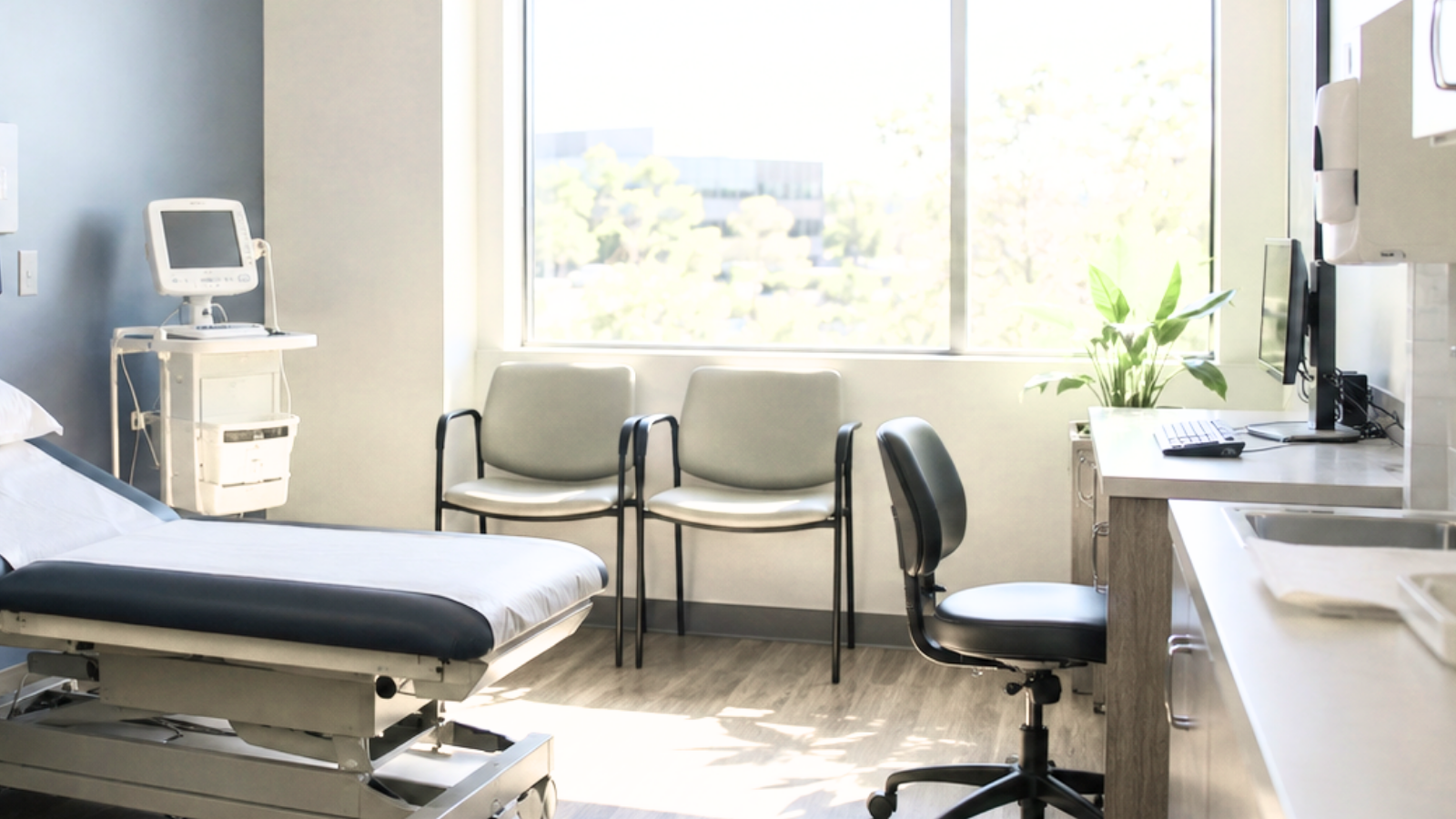
That makes one metric increasingly important: the cost of unused capacity. A treatment or consulting room sitting empty for two, three or four days each week may appear to be simply “available space”, but commercially it is still consuming resources. Rent or mortgage repayments continue. Electricity, insurance, cleaning, maintenance, software, reception infrastructure and other overheads do not disappear because the room has no practitioner in it. In a lower-cost environment, businesses may have been able to tolerate that inefficiency. When the cost of capital rises and margins are being squeezed from several directions, understanding revenue and utilisation per room, per day and per available clinical hour becomes increasingly relevant.
The broader economic environment also matters. The RBA says financial conditions have tightened and the economy appears to be slowing, while consumer spending is showing signs of easing. Its March Financial Stability Review had already warned that cash-flow pressures on household and business borrowers were expected to increase as financial conditions tightened. For clinics, that creates a strong case for disciplined cost management rather than simply chasing more patients or increasing prices. Owners should be reviewing debt structures, supplier agreements, staffing efficiency, appointment-book utilisation and, importantly, whether expensive clinical infrastructure is being used to its potential.
This is where the structure of the Australian clinic itself may begin to change. The traditional model of one business carrying the entire cost of a premises is not the only option. Where appropriate professionally, legally and operationally, sharing under-utilised rooms with compatible independent practitioners can turn existing infrastructure into a productive asset while giving clinicians access to established premises without requiring every practitioner to fund an entire clinic themselves. The latest RBA increase is not, by itself, a reason to change a clinic’s business model. It is, however, another reminder that space utilisation is now a financial metric worth measuring. In a 4.60% cash-rate environment, the question for clinic owners is becoming less about how many rooms they have and more about how effectively every square metre they are already paying for is being used.